The launch
TM Forum used Africa Tech Festival 2026 in Cape Town to announce Open Digital Architecture (ODA) for Fintech, a collaborative project giving operators, financial institutions and technology partners a shared technology foundation to integrate and scale financial services. The initiative builds on the Forum's AI-native ODA — an architecture originally designed to modernise operators' IT stacks — and extends it to the integration problems between telecoms and financial services.
The stated problem is familiar to anyone who has watched African mobile money grow: in many markets mobile connectivity leapfrogged traditional financial infrastructure, but different systems, technologies and ways of working make integration between operators and financial partners complex and costly. The project's promise is a common language — an architecture, executable reference code and collaborative support aimed specifically at that integration layer.
Who is in
Eight operators have already joined: Botswana Telecommunications Corporation, Indosat Ooredoo Hutchison, MTC, MTN, Safaricom, Telefonica, Telenor and Vodacom. The African contingent is heavy with mobile-money champions — Safaricom behind M-Pesa, MTN with MoMo, Vodacom with M-Pesa Africa — while Telefonica, Telenor and Indosat Ooredoo Hutchison signal the project is not confined to the continent.
The participant list also says something by omission: the announcement does not mention Orange, Airtel or any francophone operator, and no banks or fintech partners have been named. Whether West African and francophone operators join is an open question, as is which financial institutions will sit on the other side of the "common language" the project promises.
Why it matters
The telco-fintech integration layer is quietly becoming infrastructure. MTN is in takeover talks for Telkom in South Africa, Wave has just secured an e-money licence in the DRC, and the operators courted here run some of the continent's largest payment rails. If ODA for Fintech produces working reference code rather than slideware, it would lower the cost of connecting operators' financial platforms to banks and fintechs — the friction point that has kept mobile money comparatively siloed.
AI-assisted analysis
Machine-synthesised- Fact
TM Forum announced the Open Digital Architecture (ODA) for Fintech project at Africa Tech Festival 2026 in Cape Town — a collaborative initiative giving operators, financial institutions and technology partners a shared technology foundation to integrate and scale financial services.
Source: TM Forum(opens in a new tab) - Fact
Eight operators have already joined the project: Botswana Telecommunications Corporation, Indosat Ooredoo Hutchison, MTC, MTN, Safaricom, Telefonica, Telenor and Vodacom.
Source: TM Forum(opens in a new tab) - Fact
ODA for Fintech builds on TM Forum's AI-native Open Digital Architecture to deliver an architecture, executable reference code and collaborative support tailored to the integration challenges between telecoms and financial services.
Source: TelecomTV(opens in a new tab) - Quote
"Mobile has put banking into the hands of millions of Africans in a way the financial services industry never could on its own," but "growth is being held back because telecoms and financial services weren't built to work together. ODA gives them a common language," said Willie Stegmann, TM Forum Executive VP, Composable IT & Ecosystems.
Source: TM Forum(opens in a new tab)
Synthesised by PulseGrid's editorial AI from the sourced claims in this article and reviewed by PulseGrid AI Desk. How we use AI.
Partner content · paid placement
Sponsored tile inventory: Q1 2027
Native tiles in the in-feed carousel and the article block, sold only with the visible Sponsored / Partner Content label. Slot sizes, positions and advertiser terms are published on the advertise page. No newsroom byline is ever attached to partner copy.
It also fits a standardisation moment: the same operators are being asked to open networks to third parties, port services between markets and make agent, wallet and merchant systems interoperate. An operator-backed common architecture gives the biggest players a way to shape those interfaces before regulators or card networks do it for them.
For smaller fintechs the appeal is practical: one integration pattern instead of eight operator-by-operator builds. That is the bet — but it only pays out if the executable reference code ships and the non-charter members adopt it.
What to watch
A rollout timeline, membership terms and named partner banks or fintechs — none of which appear in the announcement, which is written entirely in the future tense.
Whether Orange, Airtel and francophone operators join, which would make this a continental standard rather than an anglophone-plus-telefonica club.
The first production integrations built on the reference code, and whether they are open to non-members.
And whether "compete beyond connectivity" means operators launch more financial products directly — the strategic tension the project's own framing invites.
Bottom line
Eight of the world's largest mobile-money operators agreeing on a shared fintech integration architecture is a real signal — the layer beneath the apps is being standardised. But this is day zero: no timeline, no banks, no code shipped. The test for ODA for Fintech is whether the next announcement names a production deployment, not another participant.
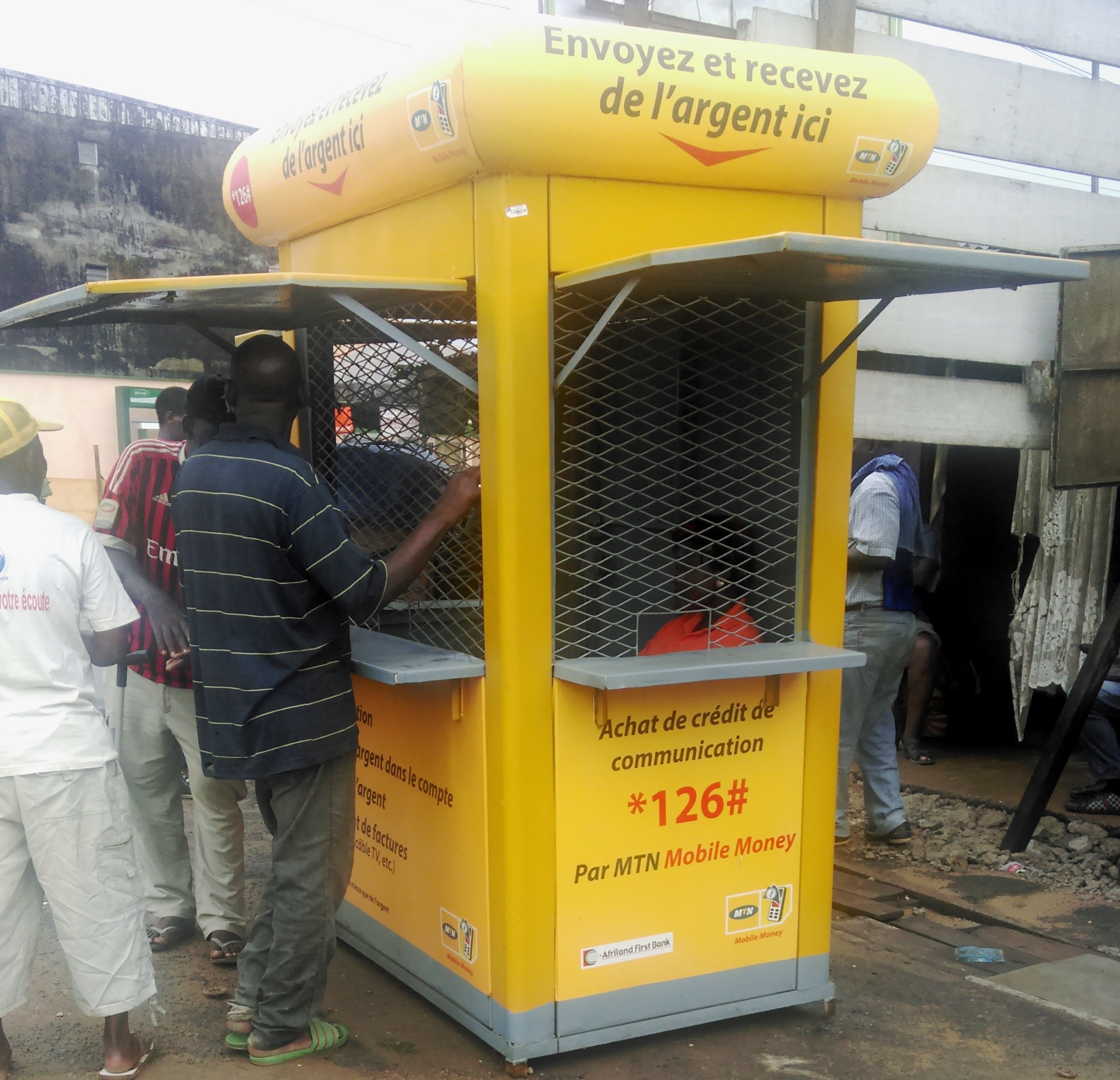
Cover photo: Gérant de kiosque Mobile Money — Minette Lontsie / Wikimedia Commons, licensed CC BY-SA 4.0 (cropped; license: https://creativecommons.org/licenses/by-sa/4.0).