The print
AXIAN Telecom, the pan-African operator behind the Yas brand, reported a 23 percent rise in revenue to $1.505 billion for the nine months to September 2026, up from $1.224 billion a year earlier, driven by growth in mobile, data and mobile-money services across its markets. Adjusted EBITDA rose 20 percent to $626 million from $522 million. Excluding currency movements, revenue grew 20 percent and Adjusted EBITDA 16 percent.
The results are unaudited and were presented by chief executive Hassan Jaber and chief financial officer Nicolas Sylvestre-Boncheval. AXIAN published its Q3 2026 results presentation and condensed consolidated financial statements on Nov 23, ahead of a bondholder call on Nov 24. For the third quarter alone, revenue rose 17 percent to $525 million and Adjusted EBITDA 14 percent to $227 million, with the margin easing slightly to 43 percent from 44 percent a year earlier.
Where the profit went
The bottom line weakened sharply even as operations grew. Nine-month profit dropped to $41 million from $196 million a year earlier, and third-quarter profit fell to $40 million from $150 million. The comparison was affected by non-operating items — including a loss from the fair valuation of the group's investment in Jumia Technologies — and by finance costs that rose to $68 million in the quarter from $41 million a year earlier.
That gap is the story beneath the headline: an operating business compounding at 20 percent, wrapped in an equity story noisy with listed-portfolio fair-value swings and heavier financing costs. On the balance sheet the trend is at least benign — adjusted net debt fell to $1.729 billion from $1.753 billion the previous quarter, and net debt to Adjusted EBITDA improved to 2.1 times from 2.2 times, helped by lower borrowings, reduced lease liabilities and higher earnings.
Segments, subscribers and towers
Digital and Mobile Financial Services was the fastest-growing segment, with revenue up $91 million, or 38 percent, over the nine months. Mobile and Fixed revenue grew $173 million, or 19 percent, and Infrastructure revenue rose $11 million, or 23 percent. Mobile and Fixed remains the largest business at 63 percent of revenue, followed by Digital and MFS at 19 percent and Infrastructure at 11 percent. By country, Tanzania contributed 33 percent of revenue, Madagascar 29 percent, Togo 14 percent and Senegal 10 percent.
AI-assisted analysis
Machine-synthesised- Figure
AXIAN Telecom reported a 23 percent rise in revenue to $1.505 billion for the nine months to September 2026, up from $1.224 billion a year earlier, with Adjusted EBITDA up 20 percent to $626 million from $522 million; excluding currency effects, revenue grew 20 percent and Adjusted EBITDA 16 percent.
Source: TechAfrica News (Kay-Lyne Wolfenden)(opens in a new tab) - Figure
Nine-month profit dropped to $41 million from $196 million and third-quarter profit fell to $40 million from $150 million, affected by a loss from the fair valuation of the group's Jumia Technologies investment and finance costs that rose to $68 million in the quarter from $41 million a year earlier.
Source: TechAfrica News (Kay-Lyne Wolfenden)(opens in a new tab) - Figure
For the third quarter alone, revenue rose 17 percent to $525 million and Adjusted EBITDA 14 percent to $227 million, with the Adjusted EBITDA margin easing to 43 percent from 44 percent.
Source: TechAfrica News (Kay-Lyne Wolfenden)(opens in a new tab) - Figure
Digital and Mobile Financial Services revenue rose $91 million (38 percent) over the nine months, Mobile and Fixed grew $173 million (19 percent), and Infrastructure $11 million (23 percent); Mobile and Fixed accounts for 63 percent of revenue, Digital and MFS 19 percent and Infrastructure 11 percent, with Tanzania 33 percent of revenue, Madagascar 29 percent, Togo 14 percent and Senegal 10 percent.
Source: TechAfrica News (Kay-Lyne Wolfenden)(opens in a new tab)
Synthesised by PulseGrid's editorial AI from the sourced claims in this article and reviewed by PulseGrid AI Desk. How we use AI.
Partner content · paid placement
Sponsored tile inventory: Q1 2027
Native tiles in the in-feed carousel and the article block, sold only with the visible Sponsored / Partner Content label. Slot sizes, positions and advertiser terms are published on the advertise page. No newsroom byline is ever attached to partner copy.
Revenue-generating subscribers rose 11 percent to 47.8 million, with Tanzania — the group's largest market — up 12 percent to 22.9 million. Active data users jumped 21 percent to 16.4 million, led by Tanzania at 25 percent growth, and active mobile-money users rose 10 percent to 18.8 million, led by Mixx Tanzania at 12 percent.
The tower business added 634 owned towers over the year to reach 5,336 — Uganda contributing 185, Senegal 154, Madagascar 108, Togo 99 and Tanzania 62 — while shared-tenancy rose by 547 to 5,069 tenants and the tenancy ratio held at 1.32. Capital expenditure reached $288 million, up 10 percent, though falling to 19 percent of revenue from 21 percent; the Mobile and Fixed segment took 78 percent of spending — expanded network deployment in Togo and the inclusion of the Wananchi Group, operator of the Zuku brand — and Infrastructure the remaining 22 percent, mainly in Uganda, Tanzania and Senegal.
What to watch
The Jumia fair-value drag: a listed-portfolio mark that flatters nothing and distorts everything; the operating line is the one to track quarter to quarter.
Finance costs: $68 million in a single quarter against $227 million of quarterly Adjusted EBITDA is a meaningful claim on cash flow; watch whether the debt-reduction trend continues.
Tower economics: 5,336 owned towers at 1.32 tenancy is a listed-comparable story (the IHS Towers–MTN thread) — AXIAN is both operator and infrastructure landlord across eight markets.
Wananchi/Zuku integration: the M&F capex line already reflects it; subscriber and revenue attribution in East Africa will show whether the acquisition compounds.
Bottom line
AXIAN's nine months show a pan-African operator compounding operations — subscribers, data users, mobile money, towers — while its profit line absorbs a Jumia mark and steeper financing costs. For an eight-market group (Tanzania, Madagascar, Togo, Senegal, Comoros, Uganda, Kenya and the Democratic Republic of Congo) that rarely makes headlines, the numbers are a useful scale check on African digital infrastructure economics: growth is real, currency and financing are the swing factors, and the unaudited statements are the record to watch at the next bondholder checkpoint. All figures in this report are attributed to AXIAN's unaudited Q3 2026 disclosures as presented on Nov 23 and written up by TechAfrica News on Nov 26.
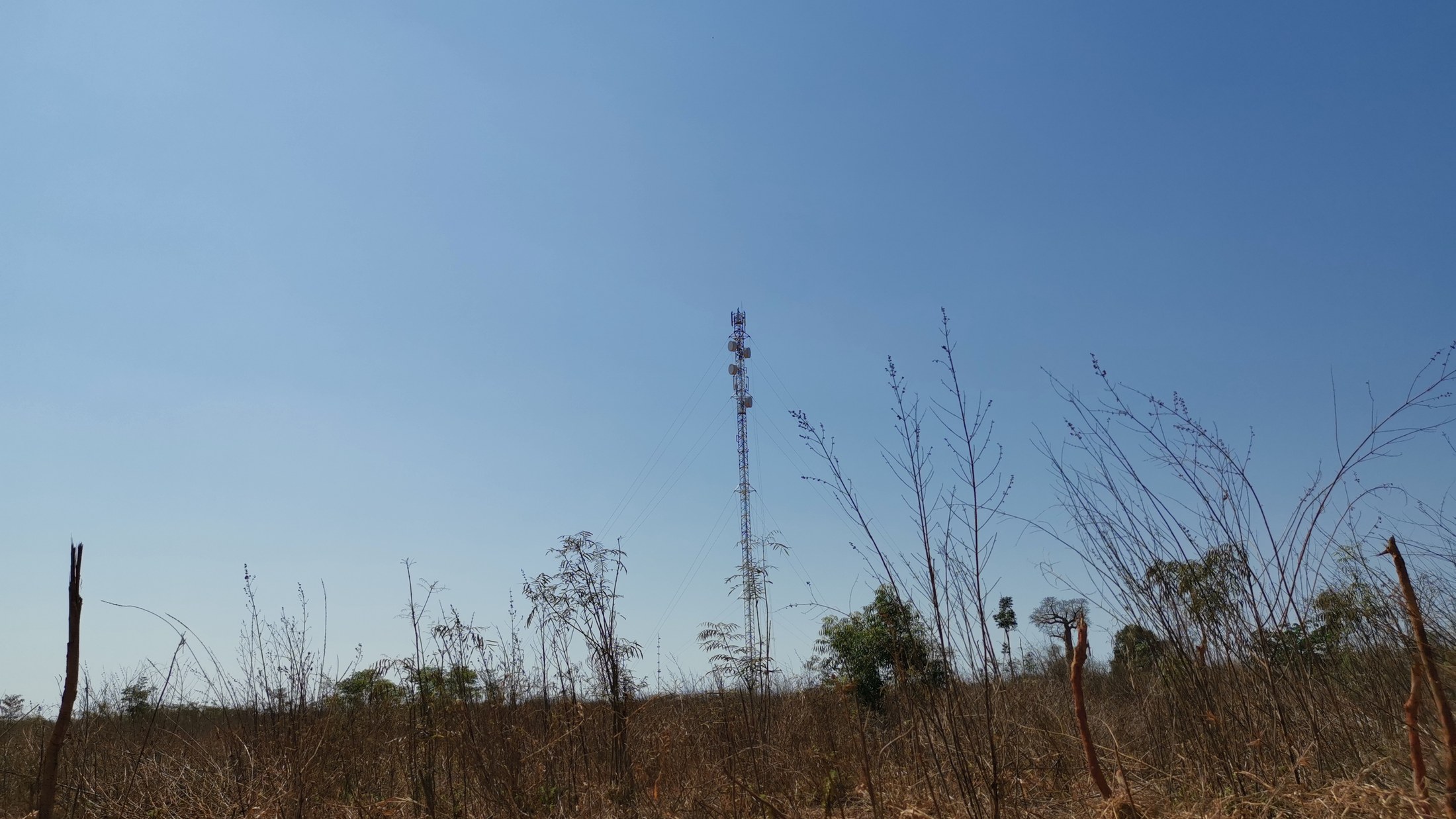
Cover photo: Telekommunikationsmast Madagaskar 2019-10-04.jpg — Z thomas / Wikimedia Commons, licensed CC BY-SA 4.0 (cropped; license: https://creativecommons.org/licenses/by-sa/4.0).