The off-grid pivot, in numbers
As of October 2026, data center developers have announced plans for more than 100 behind-the-meter gas power plants at US facilities, with a combined planned capacity above 115 gigawatts — more than double the peak power demand of California, according to data from Cleanview reported by MIT Technology Review. The vast majority of those announcements have come since the beginning of 2025.
The buildout is still mostly on paper. Just 4.9 gigawatts of data-center-tied behind-the-meter gas projects are operating today, and 15.8 gigawatts are under construction. But the direction is unmistakable: rather than wait out grid connection queues that can stretch toward a decade, a growing share of large data centers is deciding to generate its own power.
Speed, not cost
Building your own power plant is generally more expensive than connecting to the grid. The AI rush has made developers willing to pay that premium anyway. "The biggest motivator for on-site power right now from data centers is speed," Musfika Mishi, an associate at BloombergNEF, told MIT Technology Review.
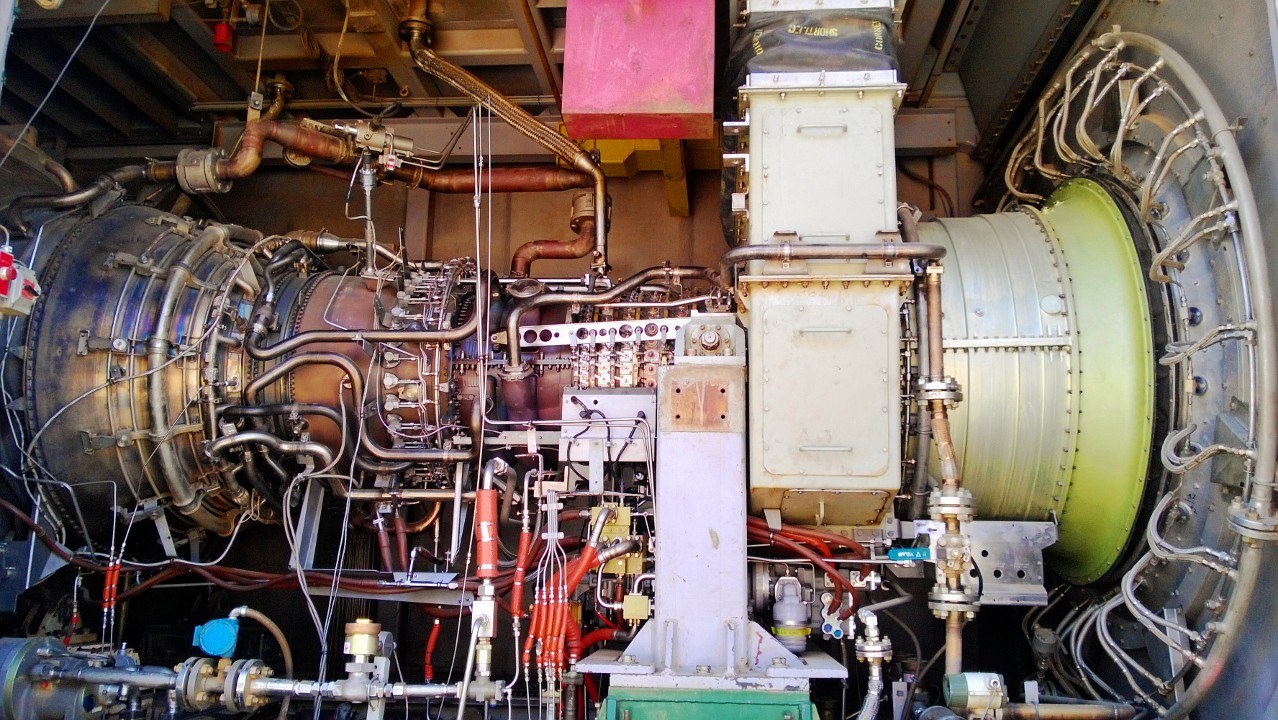
The mechanics are well worn: a large new facility requests a grid connection, triggering a yearslong study process, possible transmission or transformer upgrades, and cost-sharing obligations. Behind-the-meter plants sit on the customer's side of the utility meter and supply the building directly. xAI's Memphis campus — dozens of gas turbines, some run without permits as far back as 2024, and still the subject of legal battles — was the outlier that became a template.
Behind-the-meter does not always mean off-grid forever. Energy Innovation's Brendan Pierpont described the plants as "really just a very expensive way to bridge that maybe five-to-seven-year timeline gap until these data centers can get a grid connection" — with some facilities intended to run their own plants only as backup once connected.
AI-assisted analysis
Machine-synthesised- Figure
As of October 2026, data center developers have announced plans for more than 100 behind-the-meter gas power plants at US facilities, with combined planned capacity above 115 gigawatts — more than double California's peak power demand — and the vast majority of announcements have come since the beginning of 2025.
Source: MIT Technology Review(opens in a new tab) - Figure
Only 4.9 gigawatts of data-center-tied behind-the-meter gas projects are operating today, and 15.8 gigawatts are under construction, according to Cleanview's data.
Source: MIT Technology Review(opens in a new tab) - Quote
BloombergNEF's Musfika Mishi says the biggest motivator for on-site data-center power right now is speed, as grid connection studies can run for years; Energy Innovation's Brendan Pierpont calls the plants "really just a very expensive way to bridge that maybe five-to-seven-year timeline gap until these data centers can get a grid connection."
Source: MIT Technology Review(opens in a new tab) - Figure
BloombergNEF tracks 181 gigawatts of announced on-site gas plants at data centers globally with 90% designated for the US; if all planned US behind-the-meter plants run, they could emit 345 million metric tons of CO2e a year by 2035 — 152 million metric tons more than grid power, a difference greater than the Netherlands' total annual emissions.
Source: MIT Technology Review(opens in a new tab)
Synthesised by PulseGrid's editorial AI from the sourced claims in this article and reviewed by PulseGrid AI Desk. How we use AI.
Partner content · paid placement
Sponsored tile inventory: Q1 2027
Native tiles in the in-feed carousel and the article block, sold only with the visible Sponsored / Partner Content label. Slot sizes, positions and advertiser terms are published on the advertise page. No newsroom byline is ever attached to partner copy.
Emissions, lock-in, and someone else's gas bill
The climate ledger is the open question. BloombergNEF tracks 181 gigawatts of announced on-site gas plants at data centers globally, 90% of it designated for the US. If all planned US behind-the-meter plants go ahead, they could emit 345 million metric tons of carbon dioxide equivalent a year by 2035 — 152 million metric tons more than if those data centers pulled power from the US grid, a gap greater than the Netherlands' total annual emissions.
Turbine supply constraints are pushing the design choices in the wrong direction: very few of the planned behind-the-meter facilities will use efficient combined-cycle turbines, Mishi said, meaning these off-grid plants will likely emit more than even other gas resources. And "even though data centers say that it's a grid-bridging solution, the probability that it is going to be in use much longer is a real risk, and that leads to fossil fuel lock-in," she added.
Ratepayers are not insulated either. Energy Innovation's Matthias Fripp noted that going off-grid does not protect everyone else's prices: more demand for natural gas could push its price higher, raising costs for the roughly 60% of American households that use gas for heating and cooking, with knock-on effects on electricity prices.
What to watch
How much of the 115 GW announcement wave actually breaks ground — the 4.9 GW operating / 15.8 GW building split is the number that matters over the next four quarters.
Whether gas-plus-renewables-plus-storage hybrids (a mitigation BloombergNEF's Mishi suggests) get built, or the single-cycle turbines dominate.
State and local permitting fights over on-site turbines — the xAI Memphis litigation is the template for the backlash track.
Bottom line
The grid-connection queue has become a decade-scale bottleneck, and the AI buildout is routing around it with on-site gas. The strategy buys speed at the price of higher emissions, fossil infrastructure that may outlive its "bridge" rationale, and gas-market pressure on households that never asked for a data center. Whether this wave is a bridge or a lock-in is the energy story of the buildout.
Cover photo: Gas Turbine 4 — Pro-Per Energy Services / Wikimedia Commons, licensed CC BY-SA 4.0 (cropped; license: https://creativecommons.org/licenses/by-sa/4.0).